
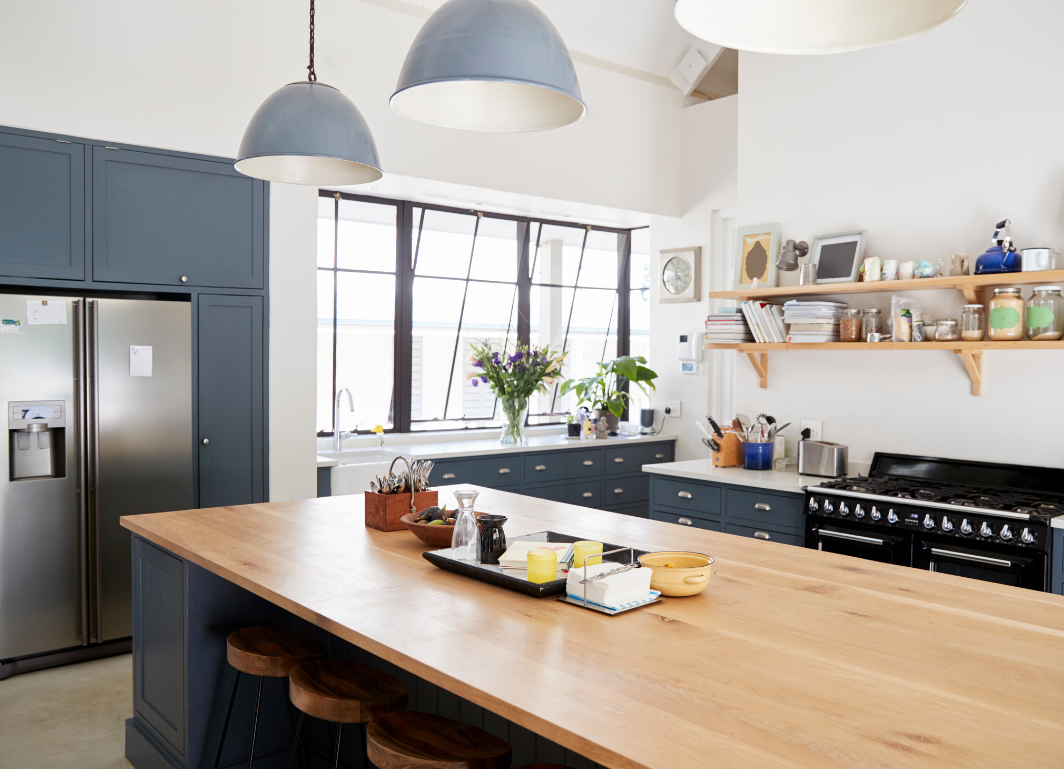
A kitchen extension is two projects stitched together: a structural build and a fitted kitchen. Most overruns we see in Glasgow happen because those two were treated as separate contracts that never properly talked to each other. This guide explains what each part costs, when you need consent and how to sequence the trades so the kitchen lands cleanly into the finished shell.
What a Glasgow kitchen extension costs in 2026
Total project cost depends on size, complexity and finish level. Realistic 2026 numbers for the Greater Glasgow market:
- Single-storey rear extension, 15–25 m², £45,000–£85,000 structural shell.
- Wraparound side-return + rear, 25–40 m², £75,000–£140,000 shell.
- Double-storey extension, £100,000–£200,000+ shell.
- Kitchen inside the extension, £18,000–£55,000 on top, depending on style and German vs UK cabinetry.
- Bifold or sliding doors, £6,000–£15,000 for an aluminium 3–4 panel set, supplied and fitted.
- Glazed rooflights, £1,800–£3,500 each fitted.
When do you need planning permission?
Many Glasgow extensions fall under permitted developmentrules in Scotland, but the conditions are specific. Read our dedicated planning permission guide for the full detail. The short version:
- Rear single-storey extensions up to 3m (detached) or 4m (semi/terraced) often qualify for permitted development.
- Conservation areas (Glasgow West End, Pollokshields, parts of Bearsden) almost always need full planning.
- Listed buildings always need listed-building consent.
- Any extension needs a building warrant from Glasgow City Council, separate from planning.
The right order to plan a Glasgow extension
The trades land in the right order only when the kitchen designer and architect are talking before drawings are finalised. The sequence that works:
- Architect first sketch. Establish footprint, structural openings and roofline.
- Kitchen designer input. Confirm island position, sink waste runs, hob extraction, sockets and lighting. Move walls now, not later.
- Building warrant submission. Architect submits the warrant with the kitchen layout already in.
- Main contractor build. Foundations, steel, roof, glazing, screed, plaster, decoration.
- First-fix services. Kitchen designer marks out plumbing, electrics and gas drops on site before plasterboard.
- Kitchen install. Once floor and decoration are complete, cabinets land in a clean shell.
- Worktop template. Templated after cabinets are level, fitted 7–10 days later.
What goes wrong when this is sequenced badly
- Steel position blocks the only viable extraction run.
- Underfloor heating manifold lands exactly where the island sink waste needs to go.
- Sockets and switches end up symmetrical on the wall, not aligned to wall units.
- Bifold threshold detail clashes with the worktop level on the run that meets it.
- Plaster goes on before the kitchen designer has agreed first-fix positions.
How Glasgow Kitchen Fitters handles extensions
We work alongside your architect (or recommend one) from the first sketch. The kitchen layout is fixed before the warrant is lodged, so first-fix drops and structural openings land exactly where the finished kitchen needs them. On install week, your expert Glasgow fitter walks into a shell that's ready for cabinets, not a shell that needs adapting.
What to read next
For a Glasgow tenement context, see our small kitchen ideas guide. For the cost detail behind these numbers, read our kitchen cost guide. If you're ready to plan, head to Kitchen Renovations or Fitted Kitchens Glasgow.